Receiving a wine basket is like opening a treasure chest—except Gift card included the loot is liquid gold and the excitement is measured in aroma and swirl. Yet, imagine the disappointment when that chest feels more like a fridge than a celebration. If your wine basket arrives too cold, you’re not alone. This guide will walk you through the steps to rescue your bottles, preserve their quality, and maybe even turn a chill into a toast.
Why the Wine Basket Might Be Too Cold
Common Causes
- Shipping in a cold climate – Long transit through winter weather can lower temperatures. Insufficient insulation – Some packaging lacks the thick foam or bubble wrap needed for temperature control. Delayed delivery – The longer the basket sits on the doorstep, the more it can lose heat.
Impact on Taste
Wine’s flavor profile is a delicate dance of sugars, acids, and aromas. When bottles are too cold, the sweet notes can be muted, and the bouquet may feel flat—like a shy snowflake that never fully blooms.
First Steps: Assessing the Situation
Check Temperature
Use a simple kitchen thermometer or a phone app that reads ambient temperature. Aim for a range between 45–55 °F (7–13 °C) for most red wines, and 45–50 °F (7–10 °C) for whites.
Inspect Packaging
Look for signs of damage or inadequate insulation. If the foam is compressed or the bubble wrap is torn, the basket may have lost its thermal guard.
Strategies to Warm Your Wine Basket
Room Temperature Method
Place the basket in a well‑ventilated area away from direct sunlight. This gradual warming mimics a gentle sunrise, allowing the wine to acclimate without shock.
Using a Wine Warmer
If you have a wine fridge or a dedicated wine warmer, transfer the bottles there. These devices maintain a steady temperature, preventing the “cold shock” that can alter flavor.
Heat from Your Body
For a quick fix, wrap each bottle in a towel and hold it in your hands for a few minutes. The body’s heat can raise the temperature just enough to awaken the bouquet.
*Rhetorical question:* “Isn’t it easier to let your hands do the work than to wrestle with gadgets?”
Preserving the Wine After Rewarming
Avoid Overheating
A common pitfall is to over‑heat the wine, which can lead to a loss of subtle aromatics. Keep the temperature rise to no more than 5 °F (3 °C) above the target range.
Proper Storage
Once warmed, store the bottles in a cool, dark place. A wine cellar, a dedicated wine cabinet, or even a closet away from heat sources will keep them stable.
When to Contact the Seller
Refund or Replacement
If the wine is still too cold after your efforts, or if you suspect damage, reach out to the seller.
- Refund – If the product is unsellable. Replacement – If the seller can send a fresh basket.
*Quote: “Wine is the most natural of all beverages, and it deserves to be enjoyed at its best.” – Wine Connoisseur Journal*
What to Provide
Send photos of the packaging and the temperature reading. A clear, honest explanation increases the likelihood of https://pastelink.net/gg2ul36l a swift resolution.
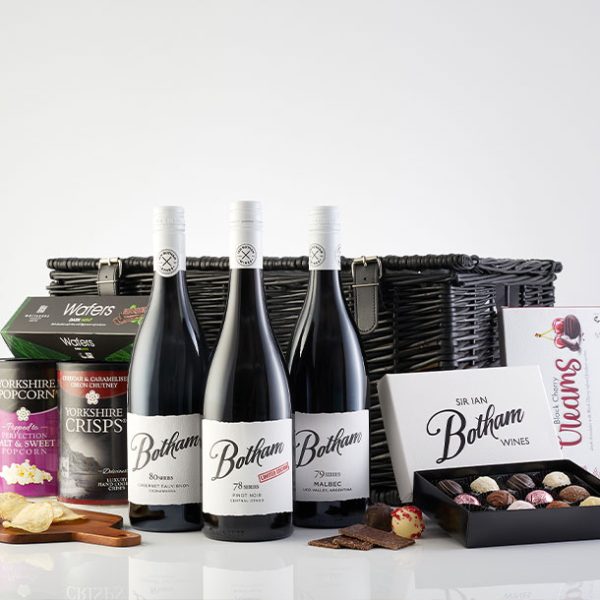

Anecdote & Quote
I once received a wine basket during a blizzard. The package felt like a snow globe, and every bottle seemed to whisper, “I’m not ready.” After a few hours of room‑temperature breathing and a touch of body heat, the wine’s aromas unfolded like a sunrise over the Alps. It reminded me that patience can turn a frozen moment into a memorable sip.
From Frost to Toast
Now that you know what to do if the wine basket arrives too cold, you can transform a potential disappointment into an opportunity to learn about wine care. Keep these steps in mind for future orders, and remember: a little warmth goes a long way in bringing out the full character of every bottle.
Next time your basket arrives chilly, follow the guide, and soon you’ll be raising a glass—warm, fragrant, and perfectly poised for celebration.